Article

IMF Austerity in Practice: Lessons from Argentina and Implications for Lebanon’s Economic Recovery


by
Johnny Accary
1,
Jessica Abou Mrad
2 and
Nour Mohamad Fayad
3,*
1
Department of Economics, Notre-Dame University–Louaize (NDU), Zouk Mosbeh P.O. Box 72, Lebanon
2
Department of Economics, Modern University for Business and Sciences (MUBS), Damour P.O. Box 113-7501, Lebanon
3
Department of Economics, Faculty of Business Administration, Lebanese International University (LIU), Beirut P.O. Box 1464/04, Lebanon
*
Author to whom correspondence should be addressed.
Economies 2026, 14(4), 146; https://doi.org/10.3390/economies14040146
Submission received: 14 March 2026 / Revised: 15 April 2026 / Accepted: 15 April 2026 / Published: 21 April 2026
(This article belongs to the Section Macroeconomics, Monetary Economics, and Financial Markets)

Abstract

This paper provides a comparative analysis of the economic crises in Argentina and Lebanon to derive policy-relevant lessons for the design of IMF-supported adjustment programs in fragile economies. Using a structured comparative case study approach, the study examines crisis dynamics, policy responses, and socioeconomic outcomes across both countries, with particular attention given to exchange rate collapse, banking sector distress, public debt, inflation, unemployment, and poverty. The findings suggest that programs centered primarily on macroeconomic stabilization and fiscal austerity, without adequate attention to institutional capacity, social protection, and debt restructuring, risk deepening economic contraction and social vulnerability. The Argentine experience shows that IMF-supported adjustment in institutionally fragile environments may fail to restore confidence or deliver sustainable recovery when reform sequencing is weak and complementary domestic policies are absent. For Lebanon, where the crisis is deeper and compounded by governance failures and geopolitical instability, IMF engagement appears necessary but insufficient on its own. The paper concludes that a sustainable recovery requires a hybrid strategy combining external financial support with country-specific reforms, including exchange rate unification, banking sector restructuring, debt resolution, stronger governance, and targeted social protection.

1. Introduction

Economists have extensively examined the origins and consequences of financial crises following the occurrence of a series of major events in the 1990s, including the Mexican crisis of 1994–1995 and the Thai crisis that began on 2 July 1997, which rapidly spread to other Asian economies such as South Korea, Malaysia, Indonesia, and the Philippines. These crises were followed by the Russian financial crisis in August 1998, which subsequently triggered instability in Brazil in early 1999. Later, Turkey was affected at the end of 2000, followed by Argentina in 2001, and again Brazil and Afghanistan in 2002 (Boyer et al., 2004).
In fact, this wave of crises emerged in the aftermath of the collapse of the Bretton Woods system in 1971 and the abandonment of fixed exchange rate regimes. Due to various economic and political factors, particularly rising trade imbalances and inflationary pressures, the sustainability of the Bretton Woods system became increasingly difficult. Its abandonment by the United States in 1971 generated remarkable imbalances in foreign exchange markets (Bordo et al., 2001).
Following the transition away from dollar-based fixed exchange rates, exchange rate regimes became more flexible and were subject to substantial fluctuations, occasionally triggering currency crises in several countries. These crises may result from internal macroeconomic imbalances, rapid credit expansion, speculative attacks on currencies, weak financial regulation, inappropriate monetary policies, or external shocks (Claessens & Kose, 2014; Schuster et al., 2024).
Each country affected by a financial crisis exhibits distinct structural characteristics, creating a unique context in which crises emerge and generate significant disruptions across both economic and social sectors. Moreover, with the increasing integration of international markets and the expansion of global trade, the likelihood of financial crises has increased, although each crisis retains its own specific features (Boyer et al., 2004).
To restore the confidence of international investors and boost the economy in the aftermath of the financial crises, the International Monetary Fund’s (IMF) sought to develop policy frameworks that could be applied across countries facing financial instability in order to prevent future crises and manage ongoing ones. This austerity program seeks to establish international standards and codes of good economic and financial practice. These instruments are considered most effective in maintaining a robust economy. Therefore, the IMF is currently engaged in operations in numerous countries facing economic or financial crises with the objective of facilitating their recovery.
In order to guarantee the implementation of these codes and standards, the IMF has been compelled to institute a program titled the Report on the Observance of Standards and Codes (ROSC), which is an IMF initiative designed to evaluate countries’ compliance with internationally recognized financial and economic standards. Although ROSC itself is not an adjustment program, it is often associated with broader IMF policy recommendations aimed at strengthening financial governance and macroeconomic stability. The objective of this program is to fortify the economies of countries experiencing financial distress through the implementation of global monetary and fiscal policies. The program has been designed to provide advice and assistance to control inflation, stimulate economic growth, restore investor confidence, and increase foreign currency reserves (IMF, 2001a; Transparency, 2002).
The IMF recovery plans, due to their uniform implementation, have had varied impacts across countries. Some, like Morocco, benefited significantly, becoming the first country in the MENA region to adopt such a program (Pfeifer, 1999). Conversely, other nations, notably Argentina, have experienced severe consequences, becoming the best example used in the literature against austerity measures (Ruben, 2007).
Lebanon is currently facing twin crises: a currency crisis and a banking crisis, which have been followed by an increase in foreign debt and public deficit. In January 2020, the three major rating agencies downgraded Lebanon’s sovereign rating to CC by S&P, CA for Moody’s, and B- for Fitch. Due to this, the Lebanese government announced a sovereign default on its debt obligations. Consequently, unemployment and poverty rates increased, and the purchasing power of consumers diminished. Therefore, Lebanon requested IMF assistance in 2022, following the country’s financial collapse that began in 2019 (IMF, 2022).
Argentina was selected as the comparative case for three reasons. First, both Argentina (2001–2002) and Lebanon (since 2019) have experienced twin crises involving currency collapse and banking sector distress. Second, both countries operated under rigid exchange rate arrangements prior to the crisis, which contributed to the accumulation of macroeconomic imbalances. Third, both countries sought assistance from the IMF during periods of severe financial instability. These structural similarities make Argentina a useful reference point for understanding how IMF-supported adjustment programs may affect economies with fragile institutions and high public debt levels.
This study adopts a structured comparative case study methodology between Argentina (2001–2003) and Lebanon (2019–present), where the objective is not to establish econometric causality, but to derive policy-relevant insights by systematically comparing crisis dynamics, policy responses, and socioeconomic outcomes across cases.
The comparative analysis draws on a set of macroeconomic, financial, and social indicators, including exchange rate dynamics, GDP growth rates, inflation, public debt ratios, banking sector stability, unemployment, poverty, and access to essential public services. Data are sourced from the IMF, the World Bank, national statistical agencies, and United Nations institutions. The analysis emphasizes policy sequencing and institutional context, rather than attributing outcomes exclusively to IMF intervention.
Argentina is employed as a negative benchmark case, illustrating the risks associated with IMF-supported adjustment programs in institutionally fragile environments. While some countries, such as Morocco, implemented IMF programs with relatively favorable outcomes, their stronger governance structures, export bases, and policy credibility reduce their comparability with Lebanon’s current conditions.
This study contributes to the existing literature in three main ways. First, it provides a structured comparative analysis between Argentina and Lebanon, two economies characterized by twin crises, highlighting how similar macroeconomic imbalances can lead to divergent outcomes depending on institutional capacity and policy sequencing. Second, the paper extends the literature on IMF-supported adjustment programs by integrating macroeconomic analysis with institutional and geopolitical dimensions, particularly emphasizing the role of political instability and conflict risk in shaping reform outcomes in fragile states such as Lebanon. Third, the study adopts a scenario-based policy framework that moves beyond retrospective analysis to provide forward-looking insights, offering policymakers a structured evaluation of potential recovery paths under different reform and governance conditions.
The remainder of the paper is organized as follows. Section 2 discusses the effectiveness and limitations of IMF-supported austerity policies. Section 3 compares the macroeconomic and institutional characteristics of the Argentine and Lebanese crises. Section 4 reviews IMF conditionalities in Argentina and Lebanon. Section 5 presents the main lessons from Argentina for Lebanon’s recovery path. Section 6 outlines scenario-based policy recommendations for Lebanon. Section 7 concludes the study.

2. Effectiveness and Limitations of IMF-Supported Austerity Policies

To mitigate the severity of financial crises, the IMF frequently recommends bailout programs aimed at stabilizing economies in distress through a combination of fiscal consolidation, tax increases, exchange rate adjustments, and structural reforms across multiple sectors (IMF, 2001a). However, the effectiveness of these interventions remains highly debated in the literature. A useful theoretical framework for assessing IMF program outcomes emphasizes five key dimensions: policy ownership, institutional capacity, reform sequencing, social protection, and market confidence. Programs tend to perform better when governments retain ownership of reforms, institutions are capable of implementing policies effectively, and macroeconomic stabilization is accompanied by measures that sustain investor confidence and protect vulnerable populations (Alesina et al., 2019; Reinhart, 2009).
Empirically, Alesina et al. (2018) argue that austerity measures, when accompanied by well-designed structural reforms, can restore financial stability and foster economic growth, as observed in cases such as Afghanistan (2002) and Iraq (2016). Similarly, Papi et al. (2015) show that countries engaged in IMF-supported programs are less likely to experience subsequent banking and/or currency crises. These findings are consistent with relatively successful IMF engagements in countries such as Morocco, Jordan, and Pakistan, where policy continuity, institutional coordination, and credible reform implementation contributed to improved macroeconomic stability.
However, critics including Stiglitz (2002) and Krugman (2015) contend that austerity policies can be counterproductive, particularly during recessions, as reductions in public spending and increases in taxation tend to suppress aggregate demand, reduce consumption and investment, and exacerbate unemployment and social instability. This pattern is evident in cases such as Argentina (2001–2003), Greece (2010), and Ghana (2014), where austerity measures implemented under fragile institutional conditions intensified economic contraction and social costs (Ghossoub Sayegh & Accary, 2025; Karimu, 2024; Pagoulatos, 2018).
This perspective is further supported by Kumhof and Rancière (2010), who emphasize that declining disposable income leads to immediate reductions in household spending, thereby deepening economic contractions and undermining investor confidence. More broadly, the success or failure of IMF programs appears to depend heavily on country-specific conditions, including institutional quality, governance, and the capacity to implement reforms effectively. While certain policy measures, such as exchange rate stabilization, inflation control, fiscal discipline, labor market flexibility, and enhanced transparency, are often associated with successful outcomes, their effectiveness is contingent upon national ownership, coordination among stakeholders, and the presence of adequate social protection mechanisms. Conversely, IMF programs may fail when they trigger social unrest, political resistance, and rising inequality, or when they lead to cuts in essential public services such as education and healthcare, reduced private investment, and declining consumer confidence.
Although the IMF has introduced mitigating tools such as social spending floors, these measures are often criticized for lacking consistency and clear implementation standards, limiting their effectiveness in protecting vulnerable populations (Accary & Sayegh, 2025). In this context, countries facing financial crises must navigate a complex trade-off between adhering to IMF-recommended austerity measures and pursuing domestically tailored recovery strategies. Lebanon, for instance, can be classified as a third-generation crisis economy, sharing similarities with cases such as Argentina, South Korea, and Turkey, yet distinguished by deeper structural vulnerabilities, governance failures, and prolonged instability, which complicate the implementation of effective reforms (Blanchard & Leigh, 2013; Ostry et al., 2014).
Beyond macroeconomic stabilization, the existing literature highlights the importance of financial market dynamics in shaping crisis transmission and recovery outcomes. Reinhart (2009) emphasizes that financial crises are often followed by prolonged periods of low growth and financial instability, particularly when banking sector disruptions are severe. At the micro and market level, Brockman (2024) shows that stock price synchronicity increases during periods of market stress, reflecting reduced informational efficiency and heightened systemic risk, while Liu (2025) demonstrates that political risk can significantly impair liquidity in corporate bond markets, amplifying financial fragility. Similarly, Pham (2013) highlights how market design and transparency influence volatility and liquidity conditions during periods of uncertainty.
Taken together, these findings suggest that IMF-supported reforms cannot be evaluated solely through macroeconomic indicators; rather, their effectiveness depends on a broader interaction between institutional conditions, policy design, and financial market responses, particularly in terms of liquidity, volatility, and risk perception.

3. Comparative Analysis: Economic Similarities Between Lebanon’s Crisis and Argentina’s 2002 Crisis

Lebanon’s and Argentina’s crises share many similarities, making them a great example for comparison. Both countries pegged their national currencies to the U.S. dollar and adopted an informal floating exchange regime after the crises. In both cases, the collapse of their national currencies resulted in banking dysfunction and a commencement of informal dollarization. Argentina and Lebanon cannot be directly compared to East Asian economies, which were export-driven, institutionally stronger, and recovered relatively quickly through the IMF austerity plan, due to the fact that they are politically fragmented and marked by weak institutional capacity (Pou, 2000).
Additionally, both countries relied on foreign capital inflows and on investors’ deposits denominated in dollars to sustain domestic consumption and finance fiscal deficits, rather than directing these resources towards productive investment. Argentina was dependent on IMF loans, while Lebanon relied on foreign deposits and Eurobond issuance (Cartas, 2010).
Moreover, the public debt accumulation was considerably high in both nations. In 2001, Argentina’s percentage of public debt surpassed 60% of the GDP, while in Lebanon, it accounted for 170% of the GDP. In this respect, both nations announced the default of the public debt, and as such, they worsened the crisis and added to its complexity also (World Bank, 2023).
On the contrary, the fragile banking system contributed to worsening the crisis in both countries. Fearing the breakdown of the whole banking system, both countries implemented a freeze on the deposits of banks. The immediate result was social unrest, and the long-term consequence was a complete loss of confidence in the bank, where depositors never regained control over their savings (Cartas, 2010).
Concerning the economic and social sectors, the impact of each crisis was equally severe. The GDP of Argentina contracted by about 11% in 2002, while that of Lebanon decreased by more than 30% between 2019 and 2022. Furthermore, after the currency collapsed, inflation increased drastically and eroded the purchasing power of the consumers, increasing the poverty rate of the country and severely eroding the purchasing power of middle-income households (World Bank, 2021).
Beyond macroeconomic indicators, a deeper comparison requires an examination of the structural characteristics of both countries public, market, and social sectors. In the public sector, Argentina entered the crisis with relatively stronger institutional capacity and a more centralized fiscal framework, despite challenges related to public debt sustainability. In contrast, Lebanon is characterized by fragmented governance, weak state capacity, and persistent fiscal imbalances, compounded by limited policy coordination and governance challenges (World Bank, 2021; IMF, 2023). These institutional weaknesses significantly constrain the implementation of reforms and reduce policy credibility.
In the market sector, Argentina benefited from a relatively diversified productive base, including strong agricultural and industrial exports, which facilitated recovery following currency depreciation (Frenkel & Rapetti, 2007). Conversely, the Lebanese economy is highly dependent on services, imports, and financial inflows, with limited productive capacity and export diversification (World Bank, 2021). The collapse of the banking sector in Lebanon therefore had a more severe systemic impact, as it disrupted the primary channel through which the economy was financed (IMF, 2023).
From a social perspective, both countries experienced remarkable increases in poverty and unemployment during their respective crises. However, the scale and persistence of social deterioration in Lebanon appear more severe, reflecting deeper structural inequalities, weaker social safety nets, and a higher dependence on external remittances (UN ESCWA, 2021; World Bank, 2021). Moreover, Lebanon’s crisis has been accompanied by a substantial erosion of public services, including healthcare and education, as well as large-scale emigration of skilled labor, further undermining long-term recovery prospects (WHO, 2023).

4. IMF Conditionalities in Argentina and Lebanon: A Literature Review

According to Marouani (2013), a country faces a severe crisis when it experiences simultaneous currency and banking crises. Double or twin crises occurs when a nation operating under a fixed exchange rate regime is compelled to devalue its currency while its financial institutions are unable to meet their obligations to creditors. Such crises profoundly impact the labor market and disrupt trade.
In addition, the debate surrounding IMF bailout programs remains highly contested in the academic literature. According to Li et al. (2015), IMF interventions typically aim to restore macroeconomic stability through fiscal consolidation, monetary tightening, and structural reforms. However, critics argue that these programs may exacerbate economic contraction in the short term, particularly in countries with weak institutions or fragile social protection systems. This debate highlights the importance of examining how IMF conditionality interacts with domestic economic structures and political constraints. Consequently, corporate bankruptcies lead to a rise in unemployment, which in turn lowers consumption levels, discourages investment, and ultimately reduces economic growth.

4.1. Argentina’s IMF Austerity Experience

In the following section, we analyze the macroeconomic situation in Argentina, often considered the best example against austerity. During the period 2001–2002, the country experienced many severe imbalances and was affected by a double crisis: a currency crisis followed by a banking crisis (Cavallo & Cottani, 2003).
During this period, the country faced high levels of inflation and accumulated a lot of foreign debt in dollars. As the country pegged its peso to the US dollar, the main objective of Argentina’s central bank was to maintain the stability of the peso using its official reserves. In other words, and because the country relied a lot on foreign deposits and investments, the parity of the peso depended on external factors, not on the country’s domestic growth (Ruben, 2007).
In the aftermath of the twin crises that affected emerging Asian countries in 1997, Argentina’s financing needs increased. Consequently, Argentina’s declared a default of payment on its sovereign debt (Central Bank of Argentina, 2020).
Seeking to protect their assets against the currency depreciation, international investors withdrew their deposits on a massive scale from Argentina’s bank and converted them into dollars. As a result, the country was affected simultaneously by a banking crisis and a currency crisis. While Argentina’s Central Bank intervened in the domestic market by absorbing the peso surplus using its foreign currency reserves, the currency devaluation was out of control (Central Bank of Argentina, 2020).
This situation led to the devaluation of the peso over three consecutive years followed by major imbalances in the economy as Argentina’s GDP growth rate declined sharply, falling from approximately 0% in 2001 to −10.9% in 2002; unemployment rose from 15% to 22%; the average wage fell by 23%; public debt increased from 33% of GDP in 1990 to 52% in 2000; and the debt-to-GDP ratio reached 131% (Ruben, 2007).
In order to restore investors’ confidence and to reboot the economy, Argentina requested the IMF’s aid by implementing its ROSC from 1990 until 2002. The main objectives of the recovery plan were to adopt a floating exchange regime, privatize public firms, increase interest rates, eliminate the barriers related to the trade balance, and liberalize the economy (IMF, 2001b).
Consequently, the IMF granted Argentina a $7.1 billion loan in 1999, aiming to reduce the fiscal deficit from $7 billion to $4 billion per year and to protect the country from a crisis similar to those that had affected other nations. However, despite the intervention of the World Bank and the IMF, foreign investor confidence was not restored, leading to massive capital outflow and devaluation of the peso (Weisbrot, 2011).
By 2000, Argentina’s Central Bank was not able to absorb the peso surplus in the market due to the fact that their official reserves in foreign currencies were diminished. As a result, the peso depreciated rapidly, leading to an increase in the price of imports and worsening the current account deficit (Frenkel & Rapetti, 2007).
Consequently, the IMF granted another loan of $39.6 billion in 2001, but now only under strict and clear conditions, including limiting the intervention of the monetary authorities. Additionally, the IMF forced the government to adopt a new fixed exchange regime rate of one dollar to one and a half pesos for commercial transactions and to adopt a floating exchange rate regime for all other operations beginning in February 2002 (Frenkel & Rapetti, 2007).
Additionally, the IMF encouraged Argentina’s government to decrease public spending on the main sectors, infrastructure, education, and health, as well as to increase taxes on primary goods and services and the energy sector (Weisbrot, 2011).
Finally, the IMF encouraged Argentina to reduce its imports and subsidize the agriculture and industrial sectors. Therefore, the government requested additional loans of several billion dollars, exacerbating the rapidly growing foreign debt deficit and complicating the situation. According to the National Institute of Statistics and Censuses of the Argentine Republic, Argentina rejected the austerity plan in 2003, as it was not able to solve the situation and stimulate the economy (MECON, 2004).
In the aftermath of implementing the ROSC, unemployment rose from 14.5% to 21.5%. Poverty increased significantly during the crisis, rising from approximately 30.3% of the population in 2000 to more than 51% in 2002, according to data from Argentina’s National Institute of Statistics and Censuses (Central Bank of Argentina, 2020). As a result, the IMF policies caused severe repercussions in the economy and exacerbated the current recession. As a result, GDP fell from 4.3% in 2001 to −11% in 2002. Finally, investors lost confidence in the peso as a result of inflation, leading to an additional depreciation against the dollar, estimated at around 50%. This led to a massive increase in the level of inflation, subsequently raising the cost of living (IMF, 2001b). Argentina’s recovery after 2003 cannot be attributed solely to the rejection of IMF policies. Several additional factors contributed to the recovery, including currency depreciation that boosted exports, favorable global commodity prices, and domestic policy adjustments that stimulated economic activity (Central Bank of Argentina, 2020).
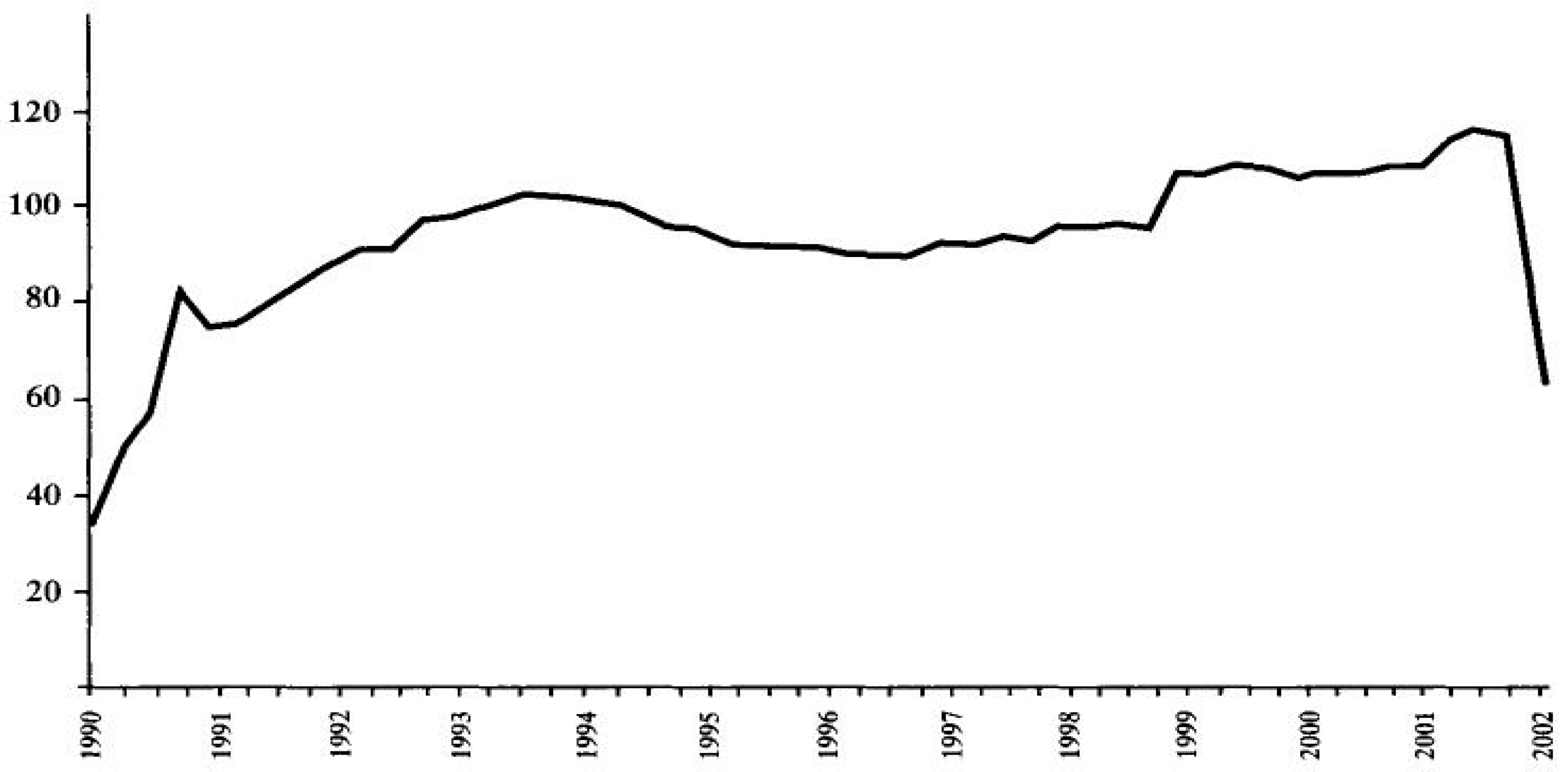
Figure 1 illustrates the apparent stability of Argentina’s exchange rate under the currency board regime (1991–2001), followed by a sharp depreciation after its collapse in 2002. This pattern reflects the inherent fragility of rigid exchange rate systems, where stability is artificially maintained at the cost of accumulating external imbalances. Once confidence deteriorated and reserves became insufficient, the adjustment occurred abruptly, amplifying the crisis. This supports the argument that delayed exchange rate adjustments under IMF-supported frameworks may intensify rather than mitigate economic shocks.
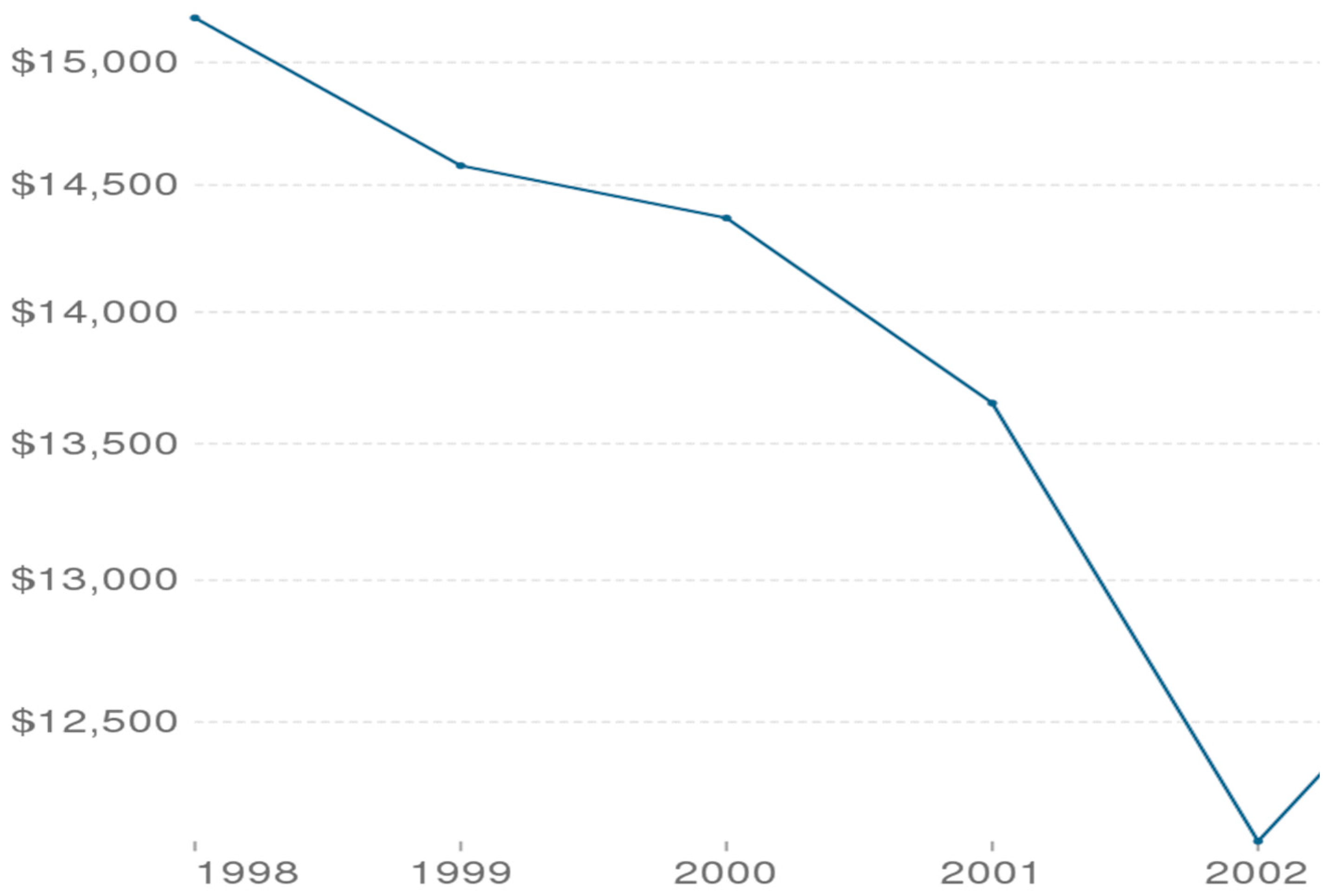
Figure 2 highlights the sharp decline in GDP per capita following the crisis, reflecting a severe contraction in economic activity. This decline is not only the result of the currency collapse, but also of the contractionary effects of fiscal austerity measures implemented during a period of low confidence. The figure suggests that macroeconomic stabilization policies focused primarily on fiscal consolidation may deepen recessions when not accompanied by growth-supporting measures.
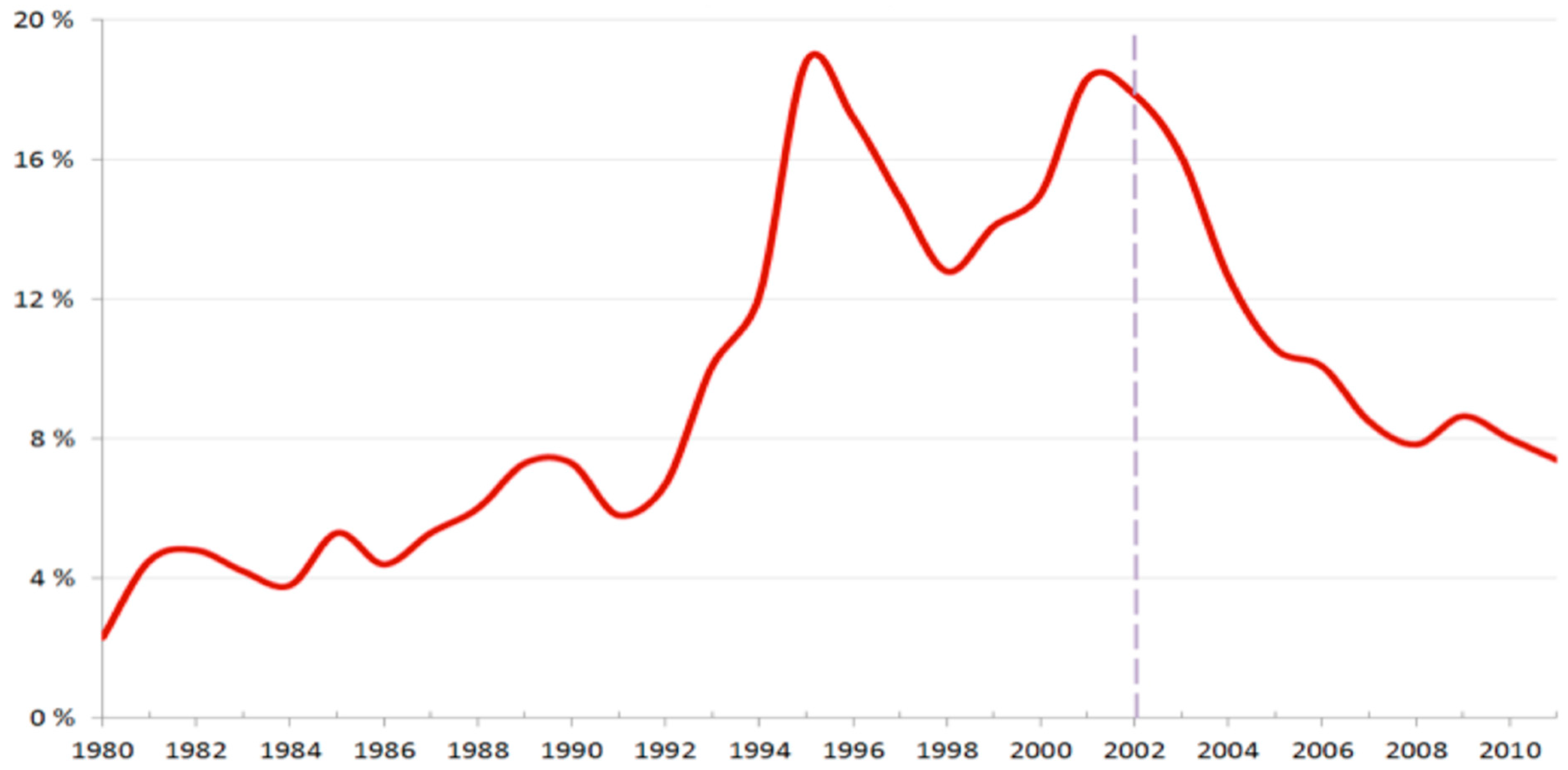
Figure 3 shows a significant increase in unemployment following the crisis, indicating the strong transmission of financial instability to the labor market. The deterioration in employment conditions reflects the combined effects of reduced investment, firm bankruptcies, and declining aggregate demand. This trend illustrates how austerity measures, when implemented in fragile economic environments, may exacerbate social costs and weaken recovery prospects.
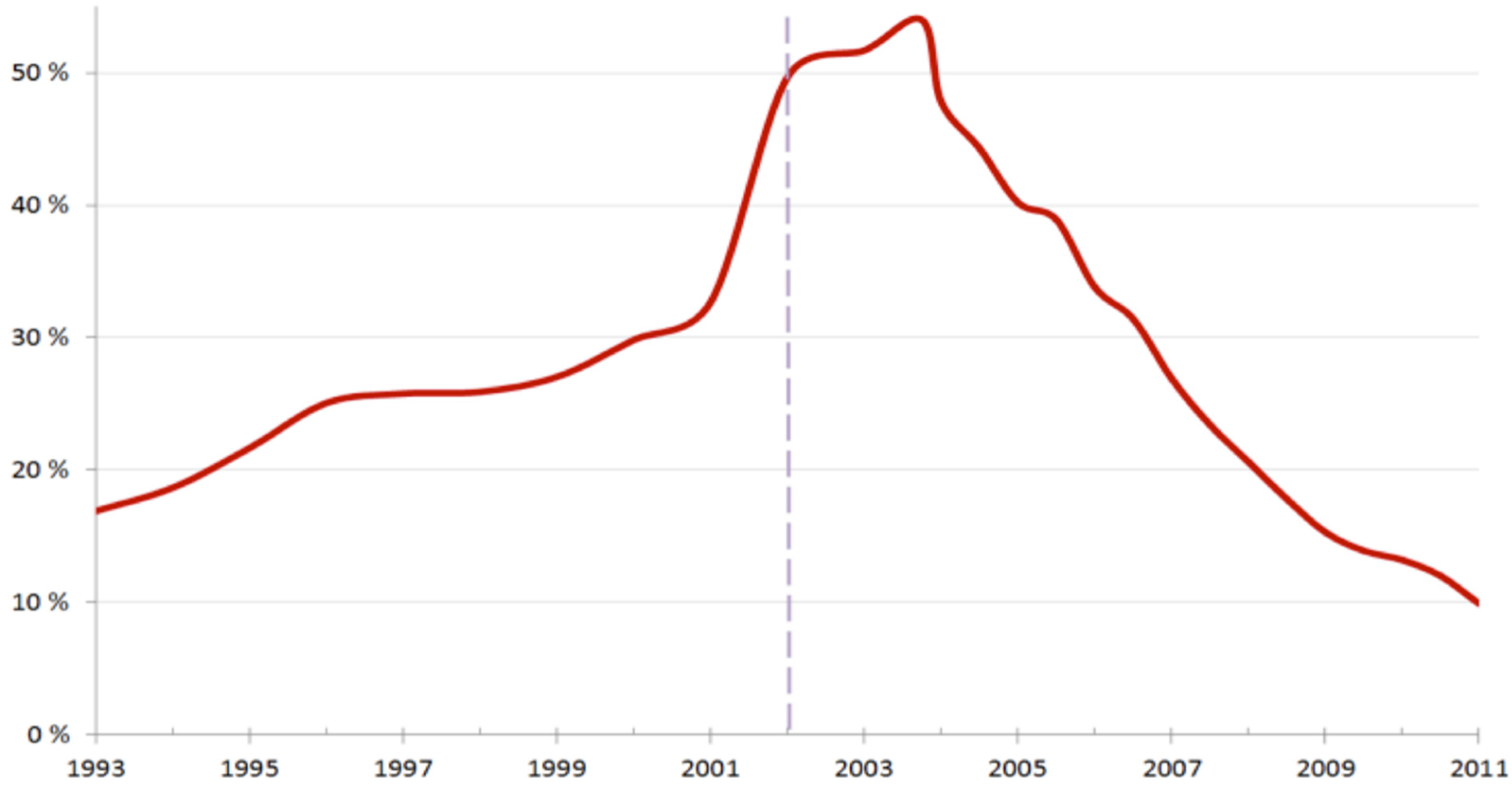
Figure 4 illustrates the sharp rise in poverty levels during the crisis period, highlighting the severe social consequences of economic contraction. The increase in poverty reflects declining real incomes, rising unemployment, and reduced access to essential services. This pattern reinforces the argument that insufficient social protection mechanisms within IMF-supported programs may amplify inequality and undermine social resilience.

4.2. Lebanon Economic Crisis and IMF Conditionalities

Lebanon’s twin crises share similar characteristics to Argentina’s crisis in 2001. Following the twin crises that affected Lebanon in 2019 and the financial crisis, investor confidence was diminished, causing a severe banking and currency crisis. As a result, depositors withdrew their capital from the banks and triggered a banking crisis (World Bank, 2021).
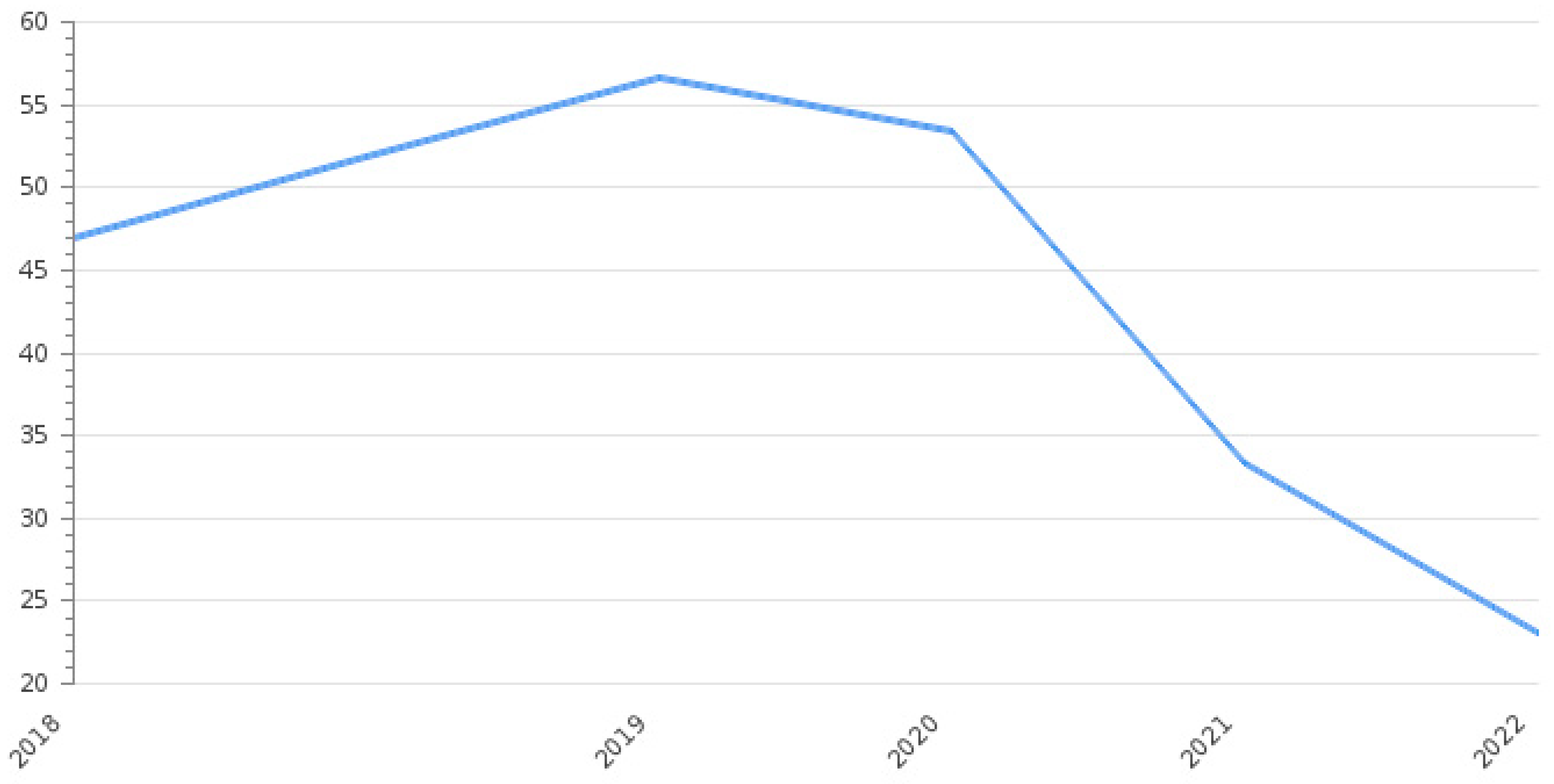
The Lebanese lira depreciated and lost more than 90% of its value. Consequently, the purchasing power of the consumers diminished and the unemployment rate increased. Furthermore, the GDP decreased by almost 55% between 2018 and 2021, marking one of the most severe depressions in the world (World Bank, 2021).
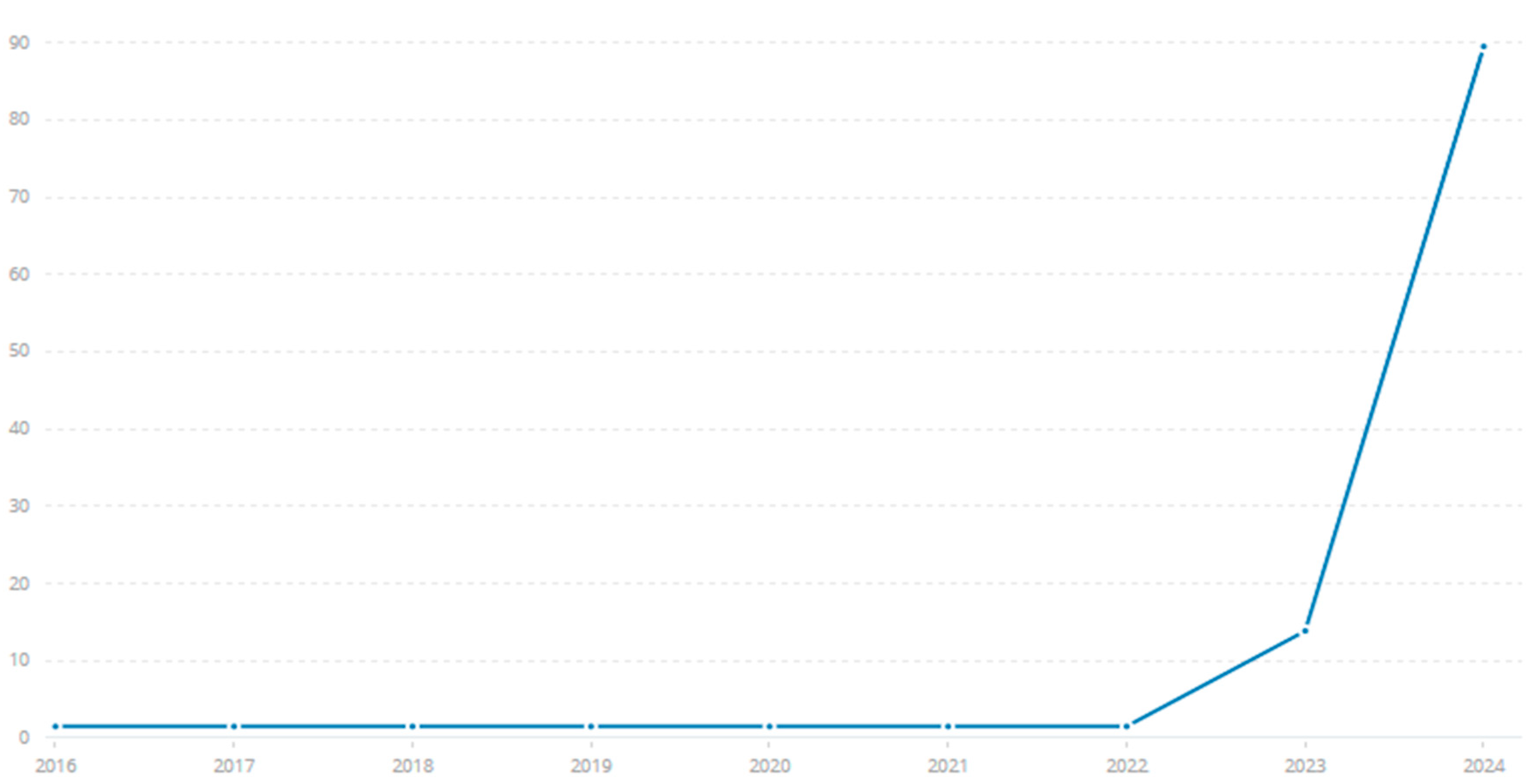
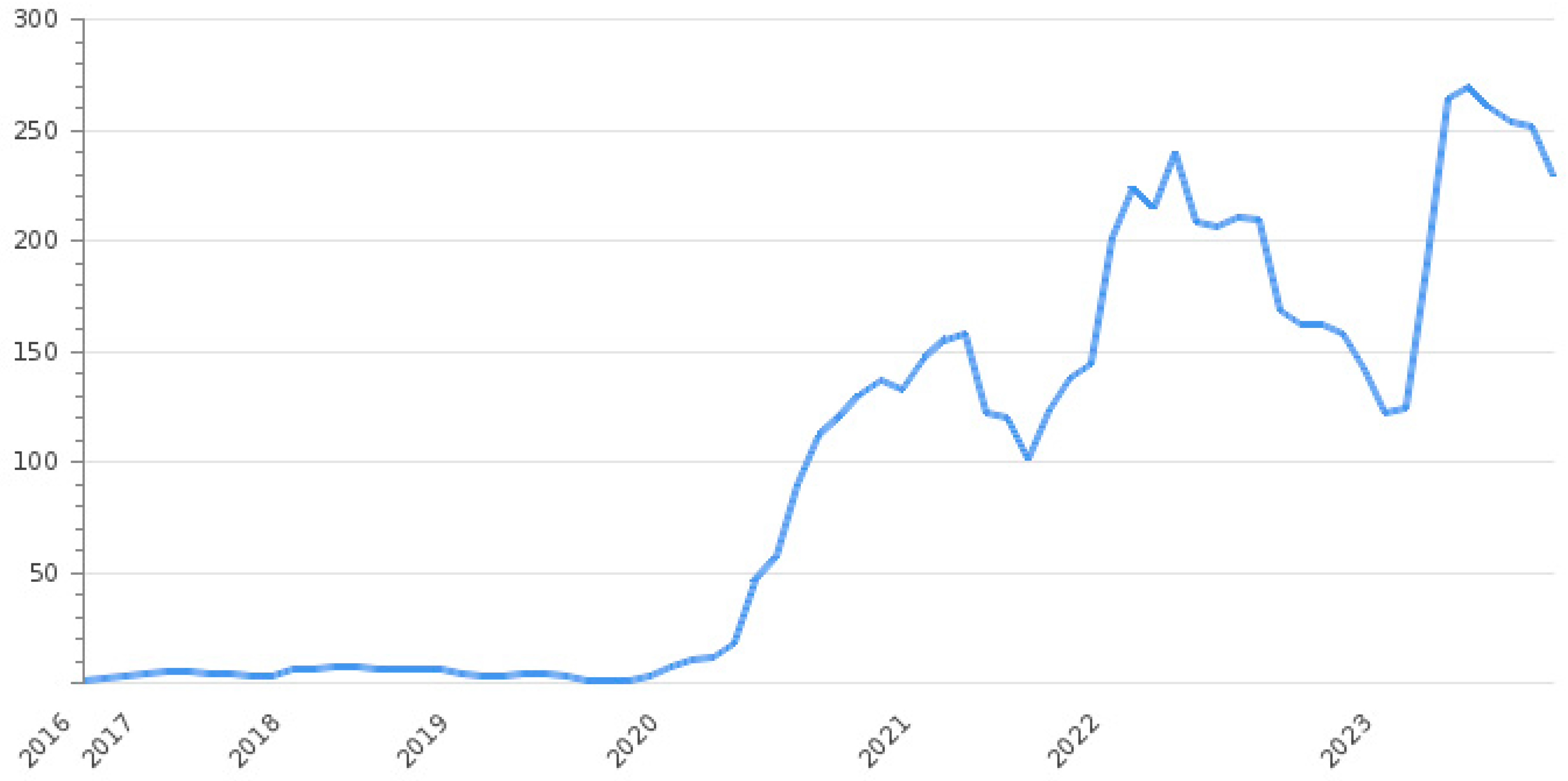
In addition, the inflation rate increased by more than 250% in 2023 with the absence of effective domestic policy responses, or the governance to control it. Moreover, the official reserves in the Central Bank were diminished making it impossible for the government to restore the value of its national currency (World Bank, 2021).
In addition to its macroeconomic imbalances, Lebanon’s crisis is deeply influenced by its fragile geopolitical environment, particularly the persistent risk of conflict between Lebanon and Israel. This geopolitical dimension represents a structural constraint on economic recovery, as recurrent tensions and the possibility of military escalation generate a high level of uncertainty and volatility. The literature highlights that political instability and conflict risk are key determinants of macroeconomic fragility, as they undermine investor confidence, discourage foreign direct investment, and increase sovereign risk premiums (Alesina et al., 2018; World Bank, 2021). In the Lebanese case, these risks are amplified by historical episodes of conflict and ongoing regional tensions, which continue to affect economic expectations and private sector behavior.
Furthermore, the threat of conflict may disrupt trade flows, tourism activity, and essential infrastructure, thereby weakening already fragile productive sectors and reducing government revenues. It also places additional pressure on public finances through increased military spending and emergency expenditures, further complicating fiscal consolidation efforts required under IMF-supported programs. Empirical evidence suggests that countries exposed to geopolitical risk tend to experience lower growth rates, higher inflation volatility, and reduced capital inflows, all of which hinder economic stabilization (Caldara & Iacoviello, 2022).
In this context, the effectiveness of IMF-supported reforms becomes conditional not only on the implementation of sound macroeconomic policies but also on the stability of the regional environment. Austerity measures, which typically rely on restoring confidence and attracting external financing, may be significantly less effective in environments characterized by persistent geopolitical uncertainty and weak institutional capacity (IMF, 2023). Consequently, any recovery strategy for Lebanon must explicitly account for the interaction between economic adjustment measures and geopolitical risks, which can delay, weaken, or even offset the expected benefits of structural reforms. This places Lebanon in a category of crisis economies where economic stabilization is inseparable from geopolitical stabilization.
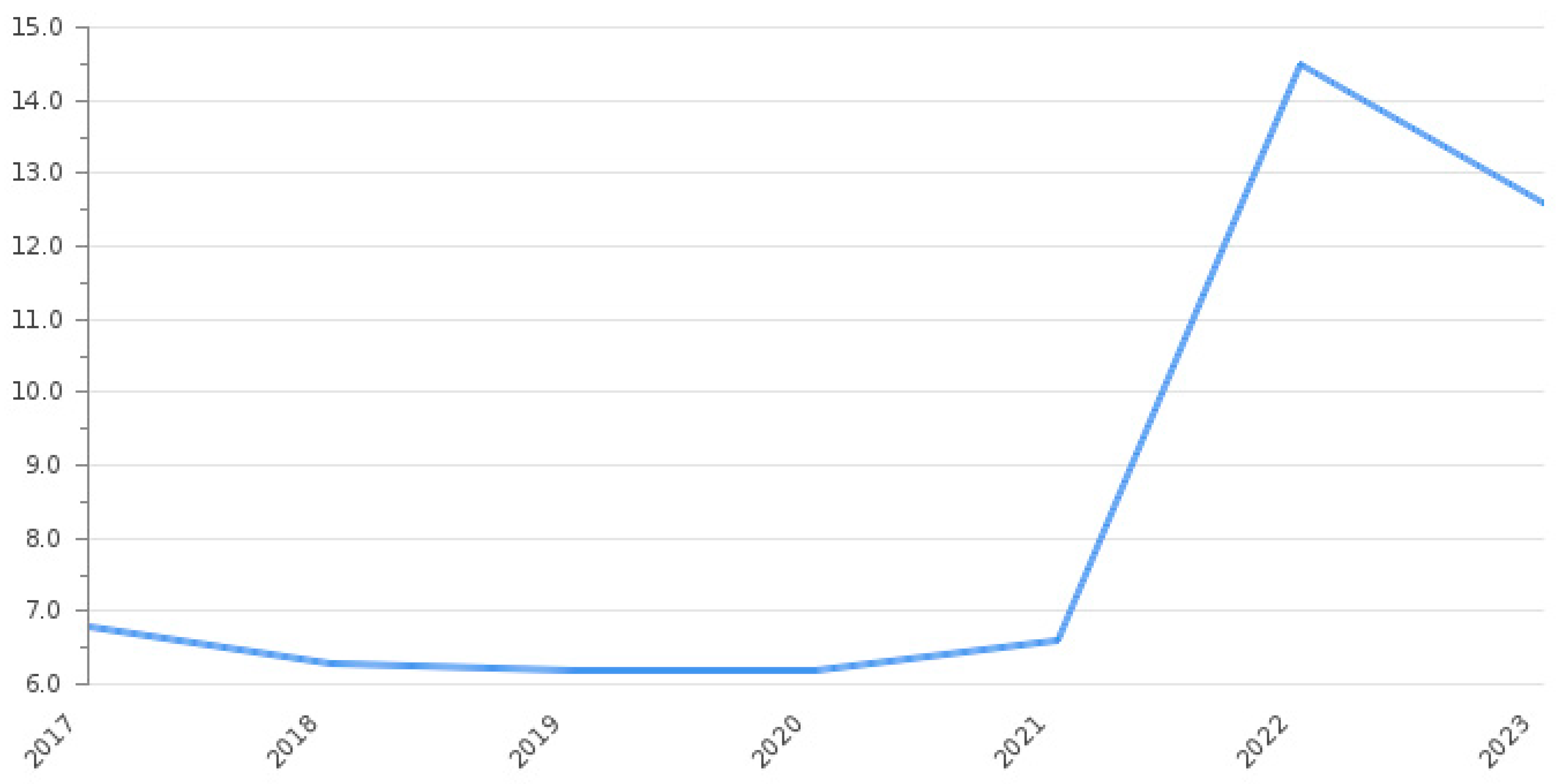
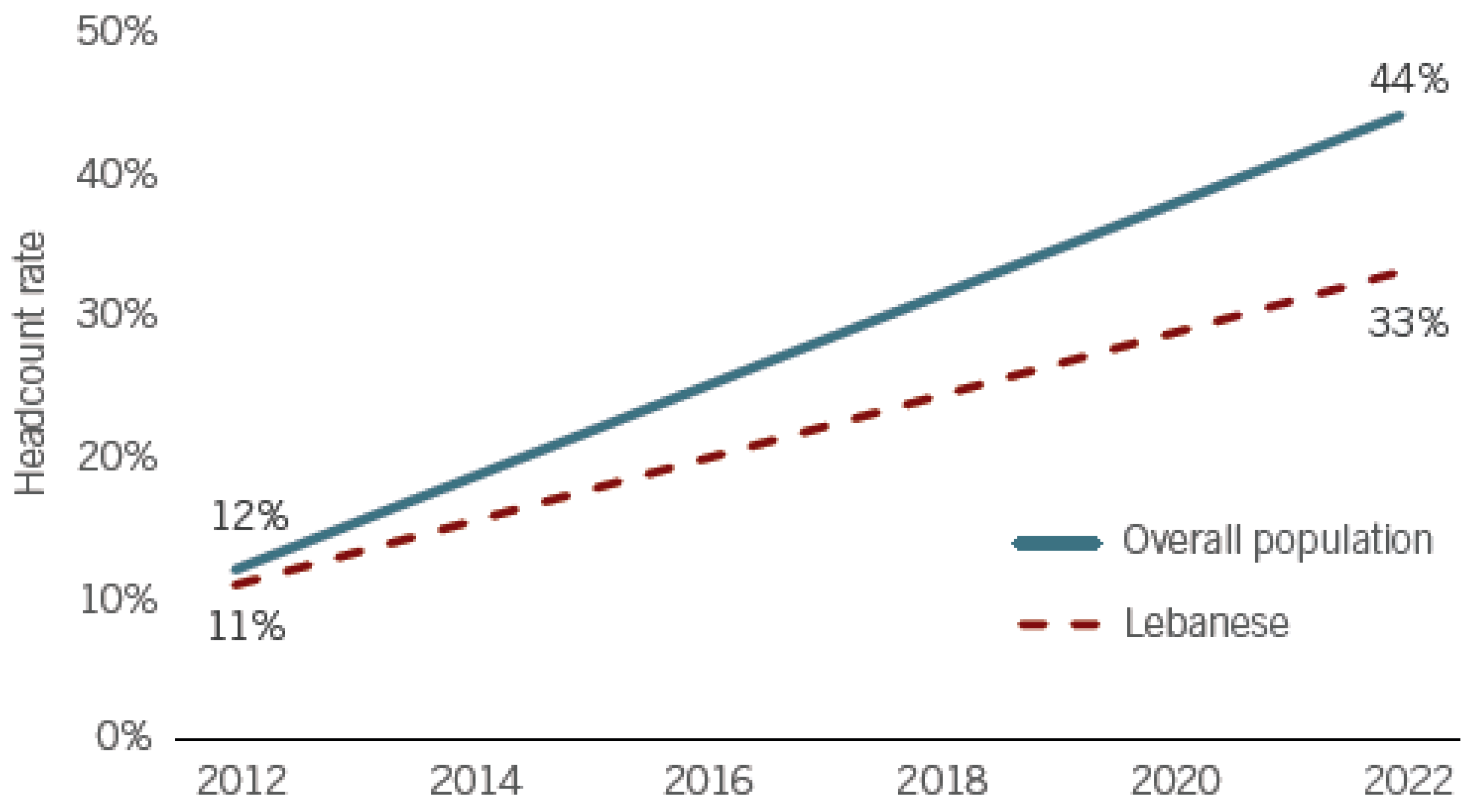
Lebanon’s crisis impact on its economy can be summarized in Figure 5, Figure 6, Figure 7, Figure 8 and Figure 9.
Figure 5 illustrates the collapse of the Lebanese exchange rate following the financial crisis, reflecting a rapid loss of confidence in the domestic currency and monetary system. The magnitude of depreciation indicates deeper structural imbalances compared to Argentina, including prolonged policy inaction and limited foreign reserve capacity. This trend highlights the risks associated with delayed adjustment and reinforces the need for a credible and coordinated exchange rate reform strategy.
Figure 6 shows a remarkable decline in GDP per capita, reflecting one of the most severe economic contractions in recent history. This decline is driven not only by macroeconomic instability but also by the collapse of the banking sector and the disruption of financial intermediation. The figure suggests that, in the absence of comprehensive reforms, economic contraction can become prolonged and self-reinforcing.
Figure 7 highlights the increase in unemployment following the crisis, reflecting the weakening of private sector activity and the contraction of investment. The labor market deterioration illustrates the limited capacity of the economy to absorb shocks and underscores the importance of integrating employment-focused policies within any stabilization program.
Figure 8 illustrates the rapid increase in poverty levels in Lebanon, reflecting the combined effects of currency depreciation, inflation, and declining real incomes. The magnitude of this increase suggests a severe erosion of social stability, emphasizing that macroeconomic adjustment policies must be complemented by robust social protection mechanisms to prevent humanitarian deterioration.
Figure 91 shows the sharp rise in inflation following the crisis, reflecting the pass-through effects of currency depreciation and the loss of monetary control. High and volatile inflation further erodes purchasing power and undermines economic stability. This trend highlights the importance of restoring monetary credibility as a key component of any IMF-supported reform program.

5. Lessons from Argentina: Projecting the Implications of IMF Conditionality on Lebanon’s Recovery

In the following section, we will try to project possible outcomes for Lebanon and highlight key lessons that could guide the country’s path toward economic recovery based on the insights on Argentina with the IMF.

5.1. Comparative Macroeconomic Trajectories: Argentina and Lebanon

The comparative study between Argentina and Lebanon is presented in Table 1.
Table 1 shows that the current situation in Lebanon is more complex than Argentina’s crisis:
  • The Lebanese lira has lost more than 95% of its value while the peso depreciated by nearly 70%.
  • Poverty rate increased to 82% in Lebanon compared to 50% in Argentina.
  • Inflation increased by 300% in Lebanon compared to 73% in Argentina.
  • Unemployment rate increased by 30% in Lebanon while the estimated number in Argentina was 14.7%.
Just by looking at these indicators, and without even applying the ROSC that encourage taxes increase, government spending cuts and increase in the interest rates, we can predict that the Lebanese situation will be more complicated than Argentina’s crisis, without even accounting for national characteristics. Consequently, the IMF programs risk exacerbating the situation rather than encouraging economic recovery.

5.2. Learning from Argentina: Strategic Lessons for Lebanon’s Recovery Path

While the Argentine experience provides valuable insights, it does not imply that Lebanon will necessarily follow the same trajectory. Instead, the comparison highlights potential risks associated with austerity-driven adjustment programs in economies experiencing deep structural crises. Therefore, it should take advantage of the plan and learn from Argentina’s experience. Further, these critical lessons are presented in Table 2.
Table 2 highlights essential lessons that Lebanon should take into account from Argentina’s economic crisis to avoid repeating similar mistakes. In the following sector, we will recommend some policies that need to be implemented if Lebanon decides to implement the IMF austerity plan and wishes to avoid facing the same circumstances as Argentina.
The limited effectiveness of the IMF-supported program in Argentina cannot be attributed solely to the nature of IMF conditionality, but rather to a combination of structural vulnerabilities, policy misalignments, and timing issues. First, Argentina’s rigid currency board system severely constrained monetary policy flexibility, delaying necessary adjustments and amplifying the impact of external shocks (Frenkel & Rapetti, 2007). Second, fiscal consolidation measures were implemented during a deep recession, which contributed to a contraction in aggregate demand, rising unemployment, and declining investor confidence (Stiglitz, 2002). Third, weak institutional credibility and inconsistent policy implementation further undermined the effectiveness of the program, leading to capital flight and loss of confidence in the financial system (Weisbrot, 2011). In addition, the absence of a comprehensive debt restructuring strategy at an early stage exacerbated the crisis, increasing the burden of public debt and limiting recovery prospects.
These factors suggest that the failure of the IMF program in Argentina was not purely due to austerity measures per se, but rather to their interaction with an unfavorable macroeconomic environment and weak institutional conditions. In contrast, IMF engagement remains relevant for Lebanon as it provides a framework for restoring macroeconomic stability, restructuring public debt, and rebuilding international credibility. However, its success in the Lebanese context depends critically on the adoption of a hybrid approach that combines IMF-supported reforms with country-specific policies, including banking sector restructuring, anti-corruption measures, social protection mechanisms, and credible governance reforms. Without these complementary measures, IMF intervention alone is unlikely to achieve sustainable economic recovery (Fernández Salguero, 2025).
Despite these shortcomings, IMF engagement remains relevant for Lebanon because it provides a credible framework for coordinating macroeconomic stabilization, debt restructuring, and external financing. However, unlike Argentina, its effectiveness depends on complementing IMF conditionality with country-specific reforms and stronger institutional governance.

6. Policy Recommendations

Building on the comparative analysis of Argentina and Lebanon, Lebanon’s recovery prospects can be more effectively assessed through a scenario-based framework that reflects varying degrees of reform implementation, institutional capacity, and external conditions. Rather than proposing a universal policy template, this approach emphasizes the importance of sequencing, feasibility, and social protection in economies characterized by deep financial and political fragility.
In an optimistic scenario, Lebanon successfully implements a comprehensive reform program supported by the IMF, accompanied by strong political commitment and improved governance. Under these conditions, a gradual transition toward a unified and more flexible exchange rate regime could help eliminate distortions associated with multiple exchange rates and restore external competitiveness. This process would need to be supported by credible monetary policy, limits on monetary financing, and enhanced central bank transparency. Simultaneously, a comprehensive banking sector restructuring, based on transparent balance sheet assessments and a clear framework for loss recognition, would help restore confidence in the financial system and revive credit intermediation (IMF, 2001a). Coordinated fiscal adjustment and public debt restructuring would further enhance sustainability, provided that reforms prioritize revenue efficiency and equity rather than excessive taxation on vulnerable groups (IMF, 2022). In this scenario, targeted social protection programs and sustained investment in essential services such as healthcare and education would mitigate short-term adjustment costs and support long-term growth (World Bank, 2021). Together, these measures could restore investor confidence, stabilize the currency, and lay the foundation for a gradual economic recovery.
In a more likely scenario, reform implementation remains partial and uneven due to political constraints, weak institutional capacity, and social resistance. Under such conditions, exchange rate reform may proceed gradually but without fully restoring confidence, leading to continued inflationary pressures and exchange rate volatility. Banking sector restructuring may also be incomplete, limiting the recovery of financial intermediation and constraining private sector activity. Fiscal policy may achieve modest improvements through better revenue administration and reduced leakages, despite not fully addressing structural imbalances or achieving debt sustainability (IMF, 2022). While basic social protection measures may be implemented, they may remain insufficient to fully offset the distributional effects of adjustment policies. In this scenario, economic stabilization would be slow and fragile, with limited growth prospects and continued reliance on external support. The experience of Argentina suggests that partial reforms, particularly when implemented during periods of low confidence, may delay recovery and prolong economic uncertainty (Frenkel & Rapetti, 2007).
In a pessimistic scenario, reform efforts fail due to persistent political deadlock, weak governance, or adverse external shocks, including heightened geopolitical instability. In such a context, the absence of a credible reform program may lead to further currency depreciation, sustained inflation, and a deepening banking crisis. Without effective debt restructuring, fiscal pressures may intensify, forcing the government to rely increasingly on monetary financing, thereby exacerbating macroeconomic instability. Social conditions would likely deteriorate significantly, with rising poverty, unemployment, and emigration, further weakening the country’s human capital base. Under these circumstances, policy efforts would shift from stabilization to crisis management, including the implementation of emergency social assistance, stricter capital controls, and reliance on international humanitarian support (World Bank, 2021). This scenario highlights the risks associated with delayed or incomplete reforms and underscores the importance of institutional credibility and policy coordination.
Overall, this scenario-based analysis suggests that while IMF engagement may provide a necessary framework for macroeconomic stabilization and external financing, its effectiveness in the Lebanese context depends critically on the depth and consistency of domestic reforms, as well as the country’s institutional and political environment. A balanced strategy that combines exchange rate reform, banking and debt restructuring, social protection, and governance improvements remains essential for achieving a sustainable recovery.

7. Conclusions

This study provides a comparative analysis of IMF-supported adjustment programs in Argentina and Lebanon, highlighting both structural similarities and critical differences in their economic crises and recovery trajectories. The main findings can be summarized as follows:
  • Both Argentina and Lebanon experienced crises characterized by prolonged fixed exchange rate regimes, heavy reliance on external capital inflows, high public debt, and the simultaneous emergence of currency and banking sector distress.
  • The Argentine case demonstrates that IMF-supported adjustment programs implemented in environments with weak institutional capacity and limited social protection may be associated with significant short-term economic contraction, rising unemployment, increased poverty, and declining confidence in the financial system.
  • Argentina’s post-2003 recovery indicates that stabilization outcomes cannot be attributed solely to IMF intervention, but rather to a combination of policy reorientation, favorable external conditions, and expansionary domestic measures.
  • Lebanon’s crisis appears more severe and complex, as reflected in the magnitude of output contraction, currency depreciation, inflation, and social deterioration, suggesting that the direct application of standard IMF policies may entail substantial economic and social risks.
  • The effectiveness of IMF engagement is therefore conditional on policy sequencing, institutional capacity, governance quality, and the integration of country-specific reforms that address structural vulnerabilities.
The findings of this study are particularly relevant for policymakers, international financial institutions, and economic advisors involved in crisis management and reform design in emerging economies. They may also be of interest to academic researchers examining the effectiveness of IMF programs in fragile institutional contexts. From a policy perspective, the results suggest that IMF engagement can play an important role in restoring macroeconomic credibility and mobilizing external financing in Lebanon; however, it is unlikely to be sufficient on its own to ensure a sustainable recovery. A comprehensive and balanced reform strategy is therefore required, combining exchange rate reform, banking sector restructuring, and public debt restructuring with strengthened governance and targeted social protection measures. Particular emphasis should be placed on safeguarding vulnerable populations, rebuilding confidence in the financial system, and ensuring transparency in policy implementation. Ultimately, the success of any adjustment program depends not only on macroeconomic stabilization, but also on its ability to preserve social cohesion and enhance institutional credibility.
Despite its contributions, this study is subject to several limitations. The analysis is based on a comparative case study approach, which may limit the generalizability of the findings to other contexts with different institutional and economic characteristics. In addition, the study relies primarily on secondary data and existing literature, which may not fully capture evolving policy dynamics or informal economic adjustments. While Argentina provides a relevant benchmark, it does not represent the full spectrum of IMF program experiences across countries. Furthermore, although geopolitical risks are acknowledged, their quantitative impact on economic recovery remains difficult to assess and may introduce additional uncertainty into the analysis.
Future research could extend this work by incorporating a broader set of country cases to provide a more comprehensive evaluation of IMF interventions across different economic and institutional environments. Empirical studies using quantitative methodologies may also help to identify the causal impact of IMF programs on growth, inequality, and financial stability. Moreover, further investigation into the interaction between geopolitical risk and economic recovery, particularly in fragile states such as Lebanon, would provide valuable insights. Finally, additional research is needed to assess the long-term social consequences of austerity policies, especially in relation to inequality, migration, and human capital development.

Author Contributions

Conceptualization, J.A., J.A.M. and N.M.F.; methodology, J.A., J.A.M. and N.M.F.; software, J.A. and J.A.M.; validation, J.A., J.A.M. and N.M.F.; formal analysis, J.A. and N.M.F.; investigation, J.A., J.A.M. and N.M.F.; resources, J.A., J.A.M. and N.M.F.; data curation, J.A. and J.A.M.; writing—original draft preparation, J.A.; writing—review and editing, J.A., J.A.M. and N.M.F.; visualization, J.A. and N.M.F.; supervision, J.A.; project administration, J.A.; funding acquisition, N.M.F. All authors have read and agreed to the published version of the manuscript.

Funding

This research received no external funding.

Data Availability Statement

The data used in this study are obtained from publicly available sources, including IMF (2001b, 2022, 2023); Central Bank of Argentina (2020); Central Administration of Statistics (2023); World Bank (2002, 2021); ILO (2022); WHO (2023); UNICEF (2023); UN ESCWA (2021); and UN Women (2023). No new datasets were generated. Data are available from the corresponding author upon reasonable request.

Conflicts of Interest

The authors declare no conflicts of interest related to this study and have made every effort to maintain objectivity and impartiality throughout the research and reporting process.

Note

1
Estimates are limited to households in the governorates of Akkar, Beirut, Bekaa, Mount Lebanon and North Lebanon.

References

  1. Accary, J., & Sayegh, R. G. (2025). Interventions du FMI face aux crises financières: Réformes économiques et impacts sociaux–le cas du Liban en perspective. La Revue Internationale des Économistes de Langue Française, 10(2), 88–106. [Google Scholar] [CrossRef]
  2. Alesina, A., Favero, C. A., & Giavazzi, F. (2018). What do we know about the effects of austerity? AEA Papers and Proceedings, 108, 524–530. [Google Scholar] [CrossRef]
  3. Alesina, A., Favero, C. A., & Giavazzi, F. (2019). Austerity: When it works and when it doesn’t. Princeton University Press. [Google Scholar]
  4. Berruyer, O. (2011). The 2001 crisis and the Argentine default—Interview with Roberto Lavagna (Guest post). Les-Crises. [Google Scholar]
  5. Blanchard, O., & Leigh, D. (2013). Growth forecast errors and fiscal multipliers. American Economic Review, 103(3), 117–120. [Google Scholar] [CrossRef]
  6. Bordo, M. D., Eichengreen, B., Klingebiel, D., & Martinez-Peria, M. S. (2001). Is the crisis problem growing more severe? Economic Policy, 16(32), 51–82. [Google Scholar] [CrossRef]
  7. Boyer, R., Dehove, M., & Plihon, D. (2004). Les crises financières. La Documentation française. [Google Scholar]
  8. Brockman, P. (2024). Stock price synchronicity and stock liquidity: International evidence. Journal of Empirical Finance, 79, 101541. [Google Scholar] [CrossRef]
  9. Caldara, D., & Iacoviello, M. (2022). Measuring geopolitical risk. American Economic Review, 112(4), 1194–1225. [Google Scholar] [CrossRef]
  10. Cartas, J. M. (2010). Dollarization declines in Latin America. Finance & Development, 47(1), 46–49. [Google Scholar]
  11. Cavallo, D., & Cottani, J. (2003). Argentina: The road to recovery. IMF Staff Papers, 50(3), 473–502. [Google Scholar]
  12. Central Administration of Statistics. (2023). Consumer price index reports. Central Administration of Statistics. [Google Scholar]
  13. Central Bank of Argentina. (2020). Informe de gestión y resultados. Central Bank of Argentina. [Google Scholar]
  14. Claessens, S., & Kose, M. A. (2014). Financial crises: Causes, consequences, and policy responses. International Monetary Fund. [Google Scholar]
  15. Fernández Salguero, R. A. (2025). The effects of International Monetary Fund programs: A systematic review with narrative synthesis on poverty, inequality, and social indicators. SocArXiv. [Google Scholar] [CrossRef]
  16. Frenkel, R., & Rapetti, M. (2007). Argentina’s monetary and exchange rate policy after the convertibility regime collapse. International Review of Applied Economics, 21(2), 169–185. [Google Scholar]
  17. Ghossoub Sayegh, R., & Accary, J. (2025). Assessing the impact of IMF intervention on economic growth following financial crises: An empirical analysis through demand determinants. Studies in Economics and Econometrics, 49, 223–241. [Google Scholar] [CrossRef]
  18. ILO. (2022). ILOSTAT database—Lebanon labour force data. International Labor Organization. [Google Scholar]
  19. IMF. (2001a). Argentina: Request for stand-by arrangement (Country report No. 01/90). International Monetary Fund. [Google Scholar]
  20. IMF. (2001b). Standards and codes: The IMF’s role. International Monetary Fund. [Google Scholar]
  21. IMF. (2002). Official exchange rate: National currency units per U.S. dollar, annual average—Argentina. International Financial Statistics. [Google Scholar]
  22. IMF. (2022). IMF reaches staff-level agreement on economic policies with Lebanon for a four-year fund facility. International Monetary Fund. [Google Scholar]
  23. IMF. (2023). Lebanon: Article IV consultation and request for an extended fund facility arrangement (Country report No. 23/123). International Monetary Fund. [Google Scholar]
  24. Karimu, S. (2024). Ghana and the IMF: Policy shifts, economic bailouts and lessons for economic restructuring and growth beyond the bailouts. Journal of Policy Modeling, 46, 1146–1164. [Google Scholar] [CrossRef]
  25. Krugman, P. (2015). The austerity delusion. The Guardian, 29(31), 3. [Google Scholar]
  26. Kumhof, M., & Rancière, R. (2010). Inequality, leverage and crises (IMF working paper No. 10/268). International Monetary Fund. [Google Scholar] [CrossRef]
  27. Li, L., Sy, M., & McMurray, A. (2015). Insights into the IMF bailout debate: A review and research agenda. Journal of Policy Modeling, 37(6), 891–914. [Google Scholar] [CrossRef]
  28. Liu, Y. (2025). The hidden cost of firm-level political risk: Impairing liquidity in corporate bond markets. Finance Research Letters, 85, 108058. [Google Scholar] [CrossRef]
  29. Marouani, A. (2013). Les crises financieres (École thématique). UNIA. [Google Scholar]
  30. MECON. (2004). Argentina, el FMI y la crisis de la deuda. MECON. [Google Scholar]
  31. MPD. (2020). Maddison project database (MPD) 2020. Available online: https://www.rug.nl/ggdc/historicaldevelopment/maddison/data/mpd2020.xlsx (accessed on 18 January 2026).
  32. Ostry, J., Berg, A., & Tsangarides, C. (2014). Redistribution, inequality, and growth. Revista de Economía Institucional, 16(30), 53–81. [Google Scholar] [CrossRef]
  33. Pagoulatos, G. (2018). Greece after the bailouts: Assessment of a qualified failure (GreeSE paper No. 130). Hellenic Observatory, London School of Economics and Political Science. [Google Scholar]
  34. Papi, L., Presbitero, A. F., & Zazzaro, A. (2015). IMF lending and banking crises (IMF working paper No. 15/19). International Monetary Fund. Available online: https://www.imf.org/external/pubs/ft/wp/2015/wp1519.pdf (accessed on 18 January 2026).
  35. Pfeifer, K. (1999). How Tunisia, Morocco, Jordan and even Egypt became IMF “success stories” in the 1990s. Middle East Report, 210, 23–27. [Google Scholar] [CrossRef]
  36. Pham, T. P. (2013). An international trend in market design: Endogenous effects of limit order book transparency on volatility, spreads, depth and volume. Journal of International Financial Markets, Institutions and Money, 27, 202–223. [Google Scholar] [CrossRef]
  37. Pou, P. (2000). Argentina’s structural reforms of the 1990s. Finance & Development, 37(1), 18–21. [Google Scholar]
  38. Reinhart, C. M. (2009). The aftermath of financial crises. American Economic Review, 99(2), 466–472. [Google Scholar] [CrossRef]
  39. Ruben, M. (2007). Argentine: Les leçons de la sortie de crise. Revue Tiers Monde, (189), 13–14. [Google Scholar] [CrossRef]
  40. Schuster, F., Alnasaa, M., Bounader, L., & Menkulasi, I. J. (2024). Debt surges—Drivers, consequences, and policy implications. International Monetary Fund. [Google Scholar]
  41. Stiglitz, J. E. (2002). Globalization and its discontents. W. W. Norton & Company. [Google Scholar]
  42. Transparency, F. (2002). Report on the observance of standards and codes (ROSC). International Monetary Fund. [Google Scholar]
  43. UN ESCWA. (2021). Multidimensional poverty in Lebanon: Impact of the crisis on households. UN ESCWA. [Google Scholar]
  44. UNICEF. (2023). Education sector needs in Lebanon—Annual report. UNICEF. [Google Scholar]
  45. UN Women. (2023). Women and poverty in Lebanon: A gendered crisis. United Nations Women. [Google Scholar]
  46. Weisbrot, M. (2011). The scorecard on development, 1960–2010: Closing the gap? Center for Economic and Policy Research. [Google Scholar]
  47. WHO. (2023). Health system response and collapse in Lebanon. World Health Organization. [Google Scholar]
  48. World Bank. (2002). Argentina: Crisis and poverty 2002—A poverty assessment (Report No. 26127-AR). World Bank. [Google Scholar]
  49. World Bank. (2021). Lebanon economic monitor, spring 2021: Lebanon sinking (To the top 3). World Bank. [Google Scholar]
  50. World Bank. (2023). World development indicators. World Bank. Available online: https://databank.worldbank.org/source/world-development-indicators (accessed on 20 February 2026).
  51. World Bank. (2025). World Development Indicators (WDI) database. Available online: https://data.worldbank.org (accessed on 19 October 2025).
Figure 1. Argentina’s exchange rate between 1990 and 2002. Source: IMF (2002).
Economies 14 00146 g001
Figure 2. Argentina’s GDP per capita for the period 1998–2002. Source: Maddison Project Database 2020 (Bolt and van Zanden) (MPD, 2020).
Economies 14 00146 g002
Figure 3. Argentina’s unemployment rate for the period 1980–2010. Source: Berruyer (2011).
Economies 14 00146 g003
Figure 4. Argentina’s poverty rate between 1993 and 2011. Source: Berruyer (2011).
Economies 14 00146 g004
Figure 5. Lebanon’s exchange rate covering the period 2016–2024. Source: World Bank (2025).
Economies 14 00146 g005
Figure 6. Lebanon’s GDP per capita for the period 2018–2022. Source: World Bank (2025).
Economies 14 00146 g006
Figure 7. Lebanon’s unemployment rate for the period 2017–2023. Source: World Bank (2025).
Economies 14 00146 g007
Figure 8. Lebanon’s poverty rate between 1993 and 2023. Source: World Bank (2025).
Economies 14 00146 g008
Figure 9. Lebanon’s inflation rate between 2016 and 2023. Source: World Bank (2025).
Economies 14 00146 g009
Table 1. Comparative overview of Argentina’s and Lebanon’s twin crises across key economic and social sectors.
SectorsArgentine (2001–2003)Lebanon (2019–2025)
Exchange Rate Regime1:1 peso–dollar peg (1991–2002); collapsed in January 2002.Pegged at LBP 1507.5/USD since 1997; parallel and black markets soared beyond 90,000 LBP/USD by 2025.
Currency DepreciationThe peso lost nearly 70% of its value in 2002.LBP depreciated by more than 95% in 2019–2024.
Banking Sector CollapseDeposit freeze in December 2001; 20% of deposits converted to bonds.$104 billion in deposits trapped; Banque du Liban losses estimated around $72 billion.
Public Debt (% of GDP)52% (2000) → 166% (2002) after the peso devaluation and the country’s recession.150% in 2020; projected to increase to 180% by 2025 without reforms.
GDP Contraction−10.9% in 2002.−58% cumulative GDP loss between 2019 and 2021.
Unemployment RateIncreased from 14.7% in 2000 to 21.5% in 2002.Increased to 29.6% in 2022.
Poverty RateRose from 30% to over 50% by 2002.Pumped from 28% in 2019 to 82% in 2021.
Inflation Rate41% in 2002; peaked at 73% in 2003.171% in 2022 and core inflation surpassed 300%.
Healthcare SectorPublic health spending fell by 25% (2000–2002); hospital access declined sharply.40% of doctors emigrated; 60% of hospitals reduced services due to funding cuts.
Energy SectorUtility prices rose 300% post-subsidy removal; protests were widespread.Electricity supply decreased to 1–2 h/day.
Governance and TransparencyThe IMF demanded fiscal transparency and anti-corruption reforms; limited enforcement.The IMF recommended a transparent audit of the central bank and anti-corruption law implementation.
Gender and Inequality ImpactFemale labor force participation dropped by 5%; poverty feminization intensified.Women’s employment dropped by 46%.
Table 2. Key lessons from Argentina’s crisis for Lebanon’s economic recovery plan.
SectorsLessons for Lebanon
Exchange Rate RegimeRigid pegs delay inevitable adjustments; a managed transition toward flexibility is essential.
Currency DepreciationDelay in adjusting pegs intensifies shocks; credibility in monetary policy must be restored.
Banking Sector CollapseRebuilding trust and protecting small depositors is vital for social and financial stability.
Public Debt (% of GDP)Early, transparent, and equitable debt restructuring is critical to avoid disorderly default.
GDP ContractionStabilization plans must be paired with real growth strategies and export recovery.
Unemployment RateAusterity must be matched with job-creation policies to prevent social dislocation.
Poverty RateProtecting social spending is non-negotiable to prevent humanitarian collapse.
Inflation RatePrice stability must accompany reform; targeted subsidies may be preferable to blanket cuts.
Healthcare SectorReforms must preserve essential services like healthcare to avoid social breakdown.
Energy SectorGradual subsidy removal with safety nets is critical to avoid backlash and service disruption.
Governance and TransparencyReform credibility hinges on enforcement, judicial independence, and state transparency.
Gender and Inequality ImpactGender-sensitive policies and inclusion in reform planning can prevent disproportionate harm.
Disclaimer/Publisher’s Note: The statements, opinions and data contained in all publications are solely those of the individual author(s) and contributor(s) and not of MDPI and/or the editor(s). MDPI and/or the editor(s) disclaim responsibility for any injury to people or property resulting from any ideas, methods, instructions or products referred to in the content.